In pharmaceutical manufacturing, reactor temperature is more than an operating parameter. It can influence reaction rate, product consistency, process safety and batch quality. During mixing, synthesis, crystallization and other temperature-sensitive operations, excess heat must be removed without causing unwanted temperature fluctuations.
A process chiller helps achieve this by supplying a controlled cooling medium to the reactor jacket, internal coil or an intermediate heat exchanger. However, selecting the right chiller involves more than matching a cooling capacity. Engineers must consider the reaction's heat release, required temperature range, cooling-medium compatibility and changes in demand throughout the batch.
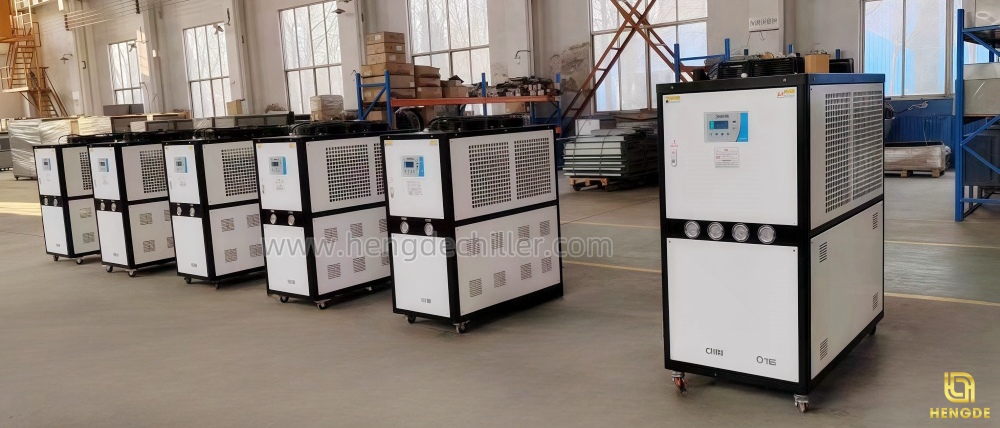
A pharmaceutical reactor stays cold when a process chiller continuously removes heat through a controlled circulation loop. The industrial chiller supplies chilled water or a compatible secondary fluid to the reactor jacket, coil or heat exchanger. As the fluid absorbs heat, it returns to the cooling system to be cooled again.
The required cooling capacity depends on the reaction's heat generation, batch size, target temperature, cooling time and heat-transfer performance. For low-temperature processes, a low-temperature industrial chiller may be required. For processes involving both heating and cooling, an integrated temperature control unit may be more suitable.
A pharmaceutical reactor commonly transfers heat through a jacket surrounding the vessel or through an internal coil. The process chiller cools the circulating fluid, which absorbs heat through the reactor's heat-transfer surface and carries it back to the chiller.
Inside the chiller, the refrigerant absorbs heat in the evaporator. The refrigeration circuit then transfers that heat to the condenser, where it is rejected to the surrounding air or a cooling-water system, depending on the chiller design.
The cooling system does not normally need to contact the pharmaceutical ingredients directly. Instead, heat passes through the reactor wall or a separate heat exchanger. This arrangement helps keep the process material separate from the utility circuit, subject to the vessel and system design.
Hengde Insight:A industrial chiller can produce cold fluid, but that does not guarantee the reactor contents will cool at the same rate. The reactor jacket, circulation passages, fluid flow and mixing conditions determine how effectively heat moves out of the batch. When cooling performance is insufficient, engineers should examine the entire heat-transfer path rather than focusing on the chiller alone.
Pharmaceutical reactions may generate heat at different rates as a batch progresses. If the cooling system cannot respond to a sudden increase in heat release, the reactor temperature may rise above its intended operating range.
Conversely, excessive cooling or poorly adjusted control settings may cause the temperature to fall too quickly. Depending on the process, this can affect reaction behavior, crystallization or product consistency.
A well-designed system should therefore provide:
Hengde Insight:The most important cooling condition may occur only during a short stage of a batch. Sizing a chiller from average heat generation alone can leave the system unable to handle that peak. Process engineers should identify the most demanding stage before finalizing the equipment capacity.
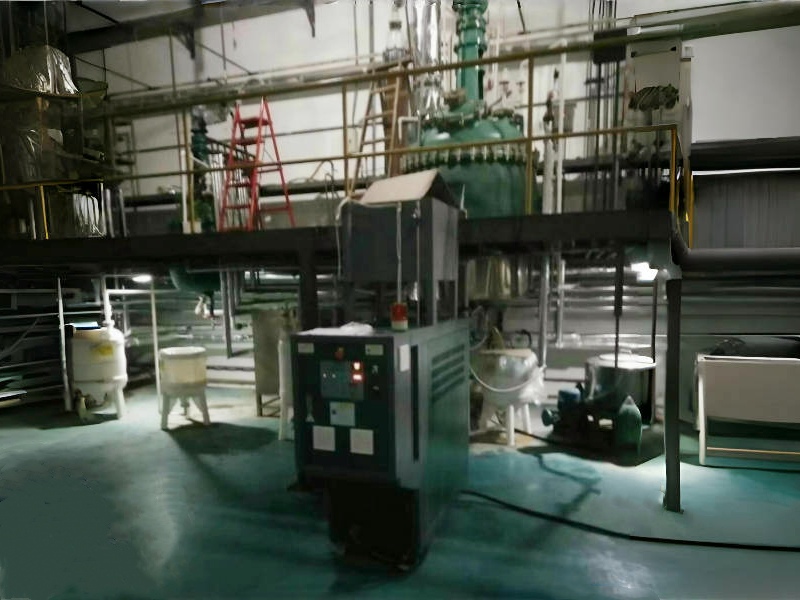
Before selecting a industrial chiller, collect the basic process data. This should include reactor working volume, material properties, initial and target temperatures, required cooling time, expected heat generation and operating schedule.
Engineers should also confirm the reactor jacket or coil design, available heat-transfer area, allowable operating pressure and the flow rate required by the equipment manufacturer. These details help determine whether the cooling system can transfer heat fast enough to meet the process target.
The cooling medium is another important consideration. Water may be suitable for moderate temperature requirements, while a water-glycol mixture or another compatible fluid may be needed for lower temperatures. Fluid selection should account for freezing risk, viscosity, heat-transfer performance, materials compatibility and pump requirements.
Air cooled chillers can simplify installation where ventilation and ambient conditions are suitable. Water cooled chillers may be appropriate for larger cooling loads or facilities with an established cooling-water system, but require the associated condenser-water equipment.
For pharmaceutical production, the process cooling system should also be coordinated with the site's automation and safety requirements. High-temperature alarms, low-flow protection and appropriate shutdown interlocks should be specified by the responsible engineering team. The chiller is one part of the process safety system, not a replacement for a reaction hazard assessment or independent safeguards.
Although industrial chillers and mold temperature controllers both manage temperature, they are designed for different duties. A process chiller primarily removes heat. A mold temperature controller, or temperature control unit, circulates a medium to heat or cool equipment and maintain a specified temperature range. Some integrated units combine both functions.
| Equipment | Main Function | Typical Reactor Application |
|---|---|---|
| Industrial Process Chiller | Removes heat and supplies cooled fluid | Reactor cooling during exothermic stages |
| Low-Temperature Chiller | Provides fluid below standard chilled-water temperatures | Processes requiring sub-zero cooling conditions |
| Integrated Heating and Cooling Unit | Provides both heating and cooling within a controlled range | Reactions requiring staged heating and cooling |
The correct choice depends on the process profile. A reactor that only needs heat removal may be served by a suitable process chiller, while a process that repeatedly switches between heating and cooling may benefit from an integrated temperature control system.
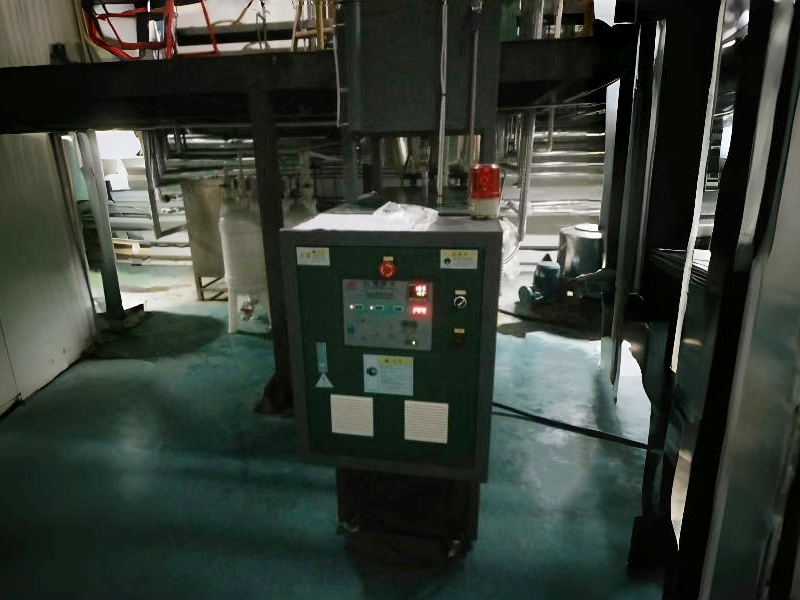
Hengde manufactures industrial chillers and temperature control equipment for chemical and pharmaceutical process applications. One product reference is the HL-15WL low-temperature water-cooled chiller.
| Parameter | Published Specification |
|---|---|
| Model | HL-15WL |
| Cooling capacity | 8.26 kW |
| Rated compressor power | 11.25 kW |
| Minimum temperature | -25°C |
| Condenser type | Water-cooled |
This model illustrates the type of low-temperature equipment that may be considered for suitable pharmaceutical or chemical cooling duties. Its published cooling capacity must be evaluated at the relevant operating conditions; available capacity can vary with the required fluid temperature and condenser conditions. The model should not be assumed suitable for every pharmaceutical reactor without a process load calculation.
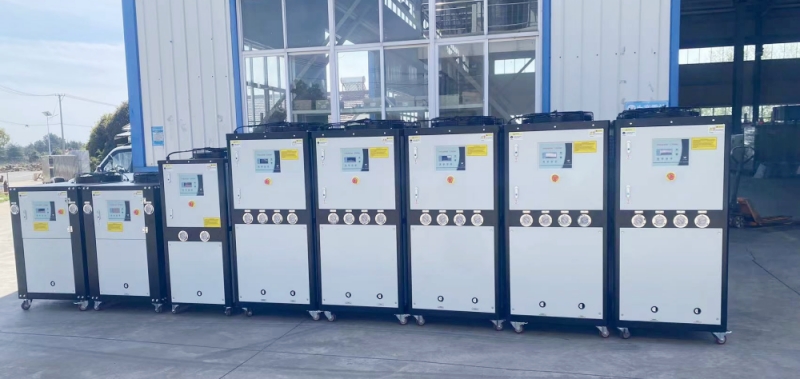
Hengde's reactor cooling solutions can be configured according to cooling capacity, target temperature, fluid flow, pump head, installation environment and special process requirements. The company also offers air-cooled and water-cooled chiller options, low-temperature chillers and integrated heating and cooling equipment.
When requesting a proposal, customers should provide the reactor volume, material and temperature profile, required cooling time, heat-load information, cooling-medium preference and available utilities. These details allow Hengde's technical team to assess the appropriate configuration instead of selecting equipment based on nominal horsepower alone.
There is no universal target temperature. It depends on the reaction, material properties and process specification. The process engineer should define the required temperature profile and acceptable variation.
It may be suitable if its cooling capacity, outlet temperature, flow rate, pressure and materials compatibility meet the application requirements. Low-temperature processes may require a dedicated low-temperature chiller.
Start with the batch size, material properties, temperature change, required cooling time and heat generated during the reaction. Also consider heat transfer through the jacket or coil, circulation conditions and peak load. A qualified process or thermal engineer should verify the calculation for the actual application.
Possible causes include insufficient chiller capacity, low circulation flow, restricted piping, poor heat transfer through the jacket, excessive process heat generation or incorrect sensor readings. Check the complete system before changing the chiller settings.
A pharmaceutical reactor stays cold when the process chiller, circulation loop and reactor heat-transfer surfaces work together to remove heat at the rate required by the process. Reliable cooling begins with an accurate understanding of the batch temperature profile and peak heat load, followed by appropriate equipment selection, monitoring and protection.
Hengde is an industrial temperature-control equipment manufacturer offering process chillers, low-temperature chillers, mold temperature controllers and integrated heating and cooling units. For pharmaceutical and chemical reactor applications, Hengde can assess the required temperature range, cooling capacity, circulation conditions and installation requirements to help customers select a suitable solution. The final design should be verified against the actual process requirements and the facility's safety and quality systems.
WhatsApp : +8618351969707
Correo electrónico : sales@sinohengde.com
DIRECCIÓN : No.1 Jiangyang Line, Hongqi community, Hengxi Street,Jiangning, Jiangsu, China