

Lograr un control preciso de la temperatura del molde es fundamental para una calidad de producto uniforme, tiempos de ciclo reducidos y una mayor eficiencia energética. Optimizar la configuración del controlador de temperatura del molde (MTC) puede marcar la diferencia entre altas tasas de desperdicio y una producción fluida y confiable. Esta guía paso a paso ofrece consejos prácticos tanto para controladores de temperatura de moldes de agua como de aceite.
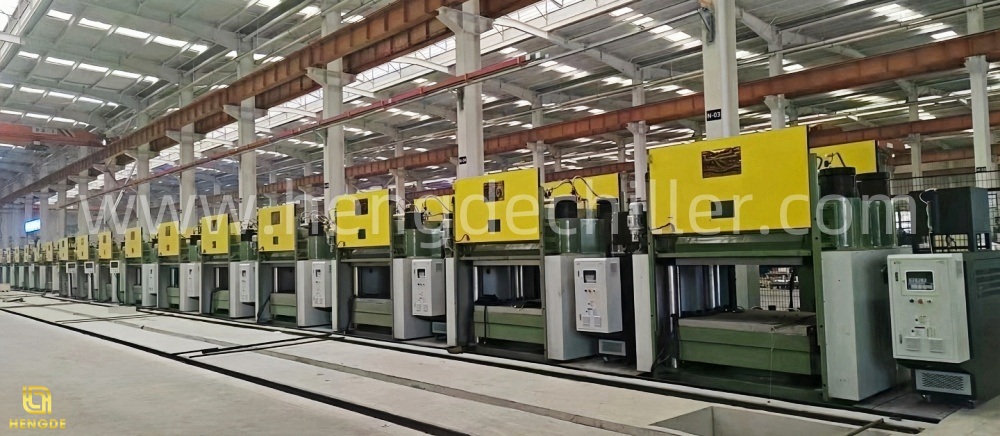
Paso 1: Comprenda los requisitos de su proceso.
Antes de ajustar cualquier configuración, recopile información sobre su proceso de producción:
Comprender estos factores garantiza que la configuración de MTC se adapte a sus necesidades de producción en lugar de utilizar valores predeterminados genéricos.
Paso 2: Configure los puntos de ajuste de temperatura e instale el MTC.
Para obtener instrucciones de instalación detalladas, consulte: Precauciones esenciales y consejos profesionales para el control de la temperatura del moho.
Paso 3: Optimizar el flujo y la circulación
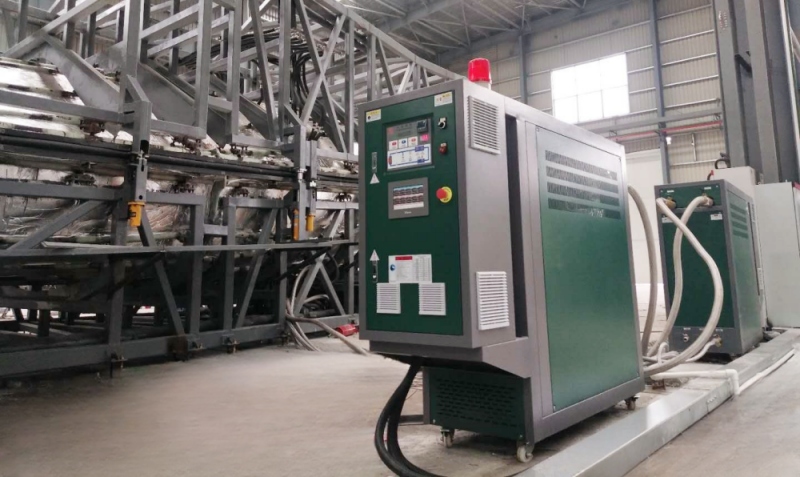
Paso 4: Ajustar con precisión los parámetros de control PID
Para obtener más pasos de depuración, consulte: Cómo depurar un controlador de temperatura de moldes?
Paso 5: Monitorear y ajustar durante la producción.
1. Registre la temperatura en varios puntos del molde para detectar desviaciones.
2. Realice pequeños ajustes en el caudal o en los parámetros PID según sea necesario.
3. Inspeccione periódicamente el medio de transferencia de calor para detectar contaminación o degradación.
4. Utilice alarmas y controles automatizados para mantener un funcionamiento constante sin necesidad de intervención manual continua.
Paso 6: Consejos preventivos para un rendimiento a largo plazo
Preguntas frecuentes sobre la configuración óptima de MTC
P1: ¿Con qué frecuencia debo revisar o ajustar la configuración de MTC?
Para una producción estable, revise la configuración cada 3-6 meses o después de cambios significativos en el molde o el material.
P2: ¿Cómo puedo evitar el sobrecalentamiento de los moldes con un MTC de aceite?
Aumente gradualmente la temperatura y supervise varios puntos del molde. Asegúrese de que las alarmas y la protección contra sobretemperatura estén activadas.
P3: ¿Cuál es el mejor método para moldes grandes con múltiples cavidades?
Mida la temperatura en varios puntos, ajuste el equilibrio del flujo y, si es posible, ajuste con precisión el controlador PID para cada zona del molde.
P4: ¿Cómo puedo minimizar el consumo de energía manteniendo un control preciso?
Utilice una estrategia de circulación media que proporcione un flujo uniforme sin una velocidad excesiva de la bomba y optimice la duración del calentamiento.
Optimizar la configuración del controlador de temperatura del molde (MTC) es más que una tarea técnica: influye directamente en la calidad del producto, la eficiencia de la producción y el consumo de energía. Al configurar cuidadosamente los puntos de ajuste de temperatura, garantizar un flujo uniforme, ajustar con precisión los parámetros PID y supervisar el rendimiento durante la producción, los fabricantes pueden lograr resultados estables, predecibles y de alta calidad.
La atención constante al mantenimiento preventivo y a los ajustes basados en datos garantiza que ambos controladores de temperatura para moho de agua y controladores de temperatura de moldes de aceite Continuar ofreciendo un rendimiento fiable, lo que ayuda a que las líneas de producción funcionen sin problemas y de manera eficiente a largo plazo.
ETIQUETAS :
WhatsApp : +8618351969707
Correo electrónico : sales@sinohengde.com
DIRECCIÓN : No.1 Jiangyang Line, Hongqi community, Hengxi Street,Jiangning, Jiangsu, China